Δευτέρα 6 Φεβρουαρίου 2012

Ξενοφῶντος, Ἱέρων, 5, 1-2
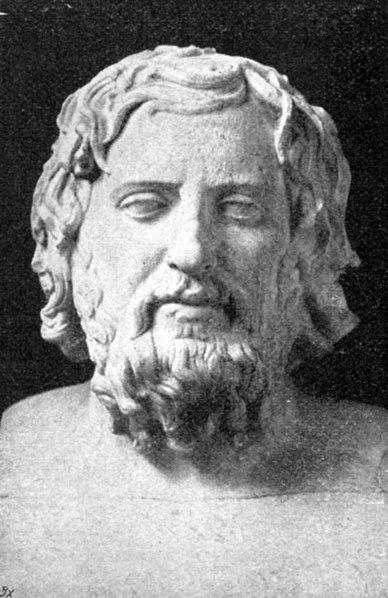
Χαλεπὸν δ᾿ ἐρῶ σοι καὶ ἄλλο πάθημα, ὦ Σιμωνίδη, τῶν τυράννων. Γιγνώσκουσι μὲν γὰρ οὐδὲν ἧττον τῶν ἰδιωτῶν τοὺς ἀλκίμους τε καὶ σοφοὺς καὶ δικαίους. Τούτους δ᾿ ἀντὶ τοῦ ἄγασθαι φοβοῦνται, τοὺς μὲν ἀνδρείους, μή τι τολμήσωσι τῆς ἐλευθερίας ἕνεκεν, τοὺς δὲ σοφούς, μή τι μηχανήσωνται, τοὺς δὲ δικαίους, μὴ ἐπιθυμήσῃ τὸ πλῆθος ὑπ᾿ αὐτῶν προστατεῖσθαι. Ὅταν δὲ τοὺς τοιούτους διὰ τὸν φόβον ὑπεξαιρῶνται, τίνες ἄλλοι αὐτοῖς καταλείπονται χρῆσθαι ἀλλ᾿ ἢ οἱ ἄδικοί τε καὶ ἀκρατεῖς καὶ ἀνδραποδώδεις; Οἱ μὲν ἄδικοι πιστευόμενοι, διότι φοβοῦνται ὥσπερ οἱ τύραννοι τὰς πόλεις μήποτε ἐλεύθεραι γενόμεναι ἐγκρατεῖς αὐτῶν γένωνται, οἱ δ᾿ ἀκρατεῖς τῆς εἰς τὸ παρὸν ἐξουσίας ἕνεκα, οἱ δ᾿ ἀνδραποδώδεις, ὅτι οὐδ᾿ αὐτοὶ ἀξιοῦσιν ἐλεύθεροι εἶναι.
Θα σου πω, Σιμωνίδη, και ένα άλλο δυσάρεστο πάθημα των τυράννων. Γνωρίζουν δηλαδή, όχι λιγότερο από τους απλούς πολίτες, και τους γενναίους και τους σοφούς και τους δίκαιους πολίτες. Αυτούς όμως, αντί να τους εκτιμούν, τους φοβούνται, τους ανδρείους απ' τη μια, μήπως και αποτολμήσουν κάτι για χάρη της ελευθερίας τους, τους σοφούς απ΄ την άλλη, μήπως μηχανευτούν κάτι (εναντίον τους) και, τέλος, τους δίκαιους, μήπως επιθυμήσει ο λαός να κυβερνιέται απ’ αυτούς. Όταν όμως εξοντώνουν τους τέτοιους (ενν. άνδρες) εξαιτίας του φόβου, ποιοι άλλοι τους απομένουν για να τους χρησιμοποιούν (ενν. στα αξιώματα), παρά οι άδικοι, οι ακόλαστοι και οι δουλοπρεπείς; Οι άδικοι από τη μια, επειδή τους εμπιστεύονται οι τύραννοι (ενν. απομένουν για να τους χρησιμοποιούν), γιατί φοβούνται, όπως οι τύραννοι, μήπως, όταν κάποτε γίνουν ελεύθερες οι πόλεις, ασκήσουν εξουσία πάνω τους. Οι ακόλαστοι από την άλλη εξαιτίας της προσωρινής εξουσίας που έχουν, ενώ οι δουλοπρεπείς γιατί δεν έχουν καμιά αξίωση να είναι ούτε οι ίδιοι ελεύθεροι.
πηγή
Τρίτη 31 Ιανουαρίου 2012
As milisoume agglika epitelous!
"The genesis of classical drama was not symptomatic. Aneuphoria of charismatic and talented protagonists showed fantastic scenes of historic episodes. The prologue, the theme and the epilogue, comprised the trilogy of drama while synthesis, analysis and synopsis characterized the phraseology of the text. The syntax and phraseology used by scholars, academicians and philosophers in their rhetoric, had many grammatical idioms and idiosyncrasies.
The protagonists periodically used pseudonyms. Anonymity was a syndrome that characterized the theatrical atmosphere.
The panoramic fantasy, the mystique, the melody, the aesthetics, the use of the cosmetic epithets are characteristics of drama.
Eventhrough the theaters were physically gigantic, there was noneed for microphones because the architecture and the acoustics would echo isometrically and crystal - clear. Many epistomologists of physics, aerodynamics, acoustics, electronics, electromagnetics can not analyze - explain the ideal and isometric acoustics of Hellenic theaters even today.
There were many categories of drama: classical drama, melodrama, satiric, epic, comedy, etc. The syndrome of xenophobia or dyslexia was overcome by the pathos of the actors who practiced methodically and emphatically. Acrobatics were also eup3horic. There was a plethora of anecdotal themes, with which the acrobats would electrify the ecstatic audience with scenes from mythical and historical episodes.
Some theatric episodes were characterized as scandalous and blasphemous. Pornography, bigamy, hemophilia, nymphomania, polyandry, polygamy and heterosexuality were dramatized in a pedagogical way so the mysticism about them would not cause phobia or anathema or taken as anomaly but through logic, dialogue and analysis skepticism and the pathetic or cryptic mystery behind them would be dispelled.
It is historically and chronologically proven that theater emphasized pedagogy, idealism and harmony. Paradoxically it also energized patriotism a phenomenon that symbolized ethnically character and phenomenal heroism."
The protagonists periodically used pseudonyms. Anonymity was a syndrome that characterized the theatrical atmosphere.
The panoramic fantasy, the mystique, the melody, the aesthetics, the use of the cosmetic epithets are characteristics of drama.
Eventhrough the theaters were physically gigantic, there was noneed for microphones because the architecture and the acoustics would echo isometrically and crystal - clear. Many epistomologists of physics, aerodynamics, acoustics, electronics, electromagnetics can not analyze - explain the ideal and isometric acoustics of Hellenic theaters even today.
There were many categories of drama: classical drama, melodrama, satiric, epic, comedy, etc. The syndrome of xenophobia or dyslexia was overcome by the pathos of the actors who practiced methodically and emphatically. Acrobatics were also eup3horic. There was a plethora of anecdotal themes, with which the acrobats would electrify the ecstatic audience with scenes from mythical and historical episodes.
Some theatric episodes were characterized as scandalous and blasphemous. Pornography, bigamy, hemophilia, nymphomania, polyandry, polygamy and heterosexuality were dramatized in a pedagogical way so the mysticism about them would not cause phobia or anathema or taken as anomaly but through logic, dialogue and analysis skepticism and the pathetic or cryptic mystery behind them would be dispelled.
It is historically and chronologically proven that theater emphasized pedagogy, idealism and harmony. Paradoxically it also energized patriotism a phenomenon that symbolized ethnically character and phenomenal heroism."
Σάββατο 28 Ιανουαρίου 2012

Εγγραφή σε:
Αναρτήσεις (Atom)